
Therapy Room
Body-Based Nervous System Regulation
Nervous system regulation starts in the body. Truly living in your body is the foundation your self-work.
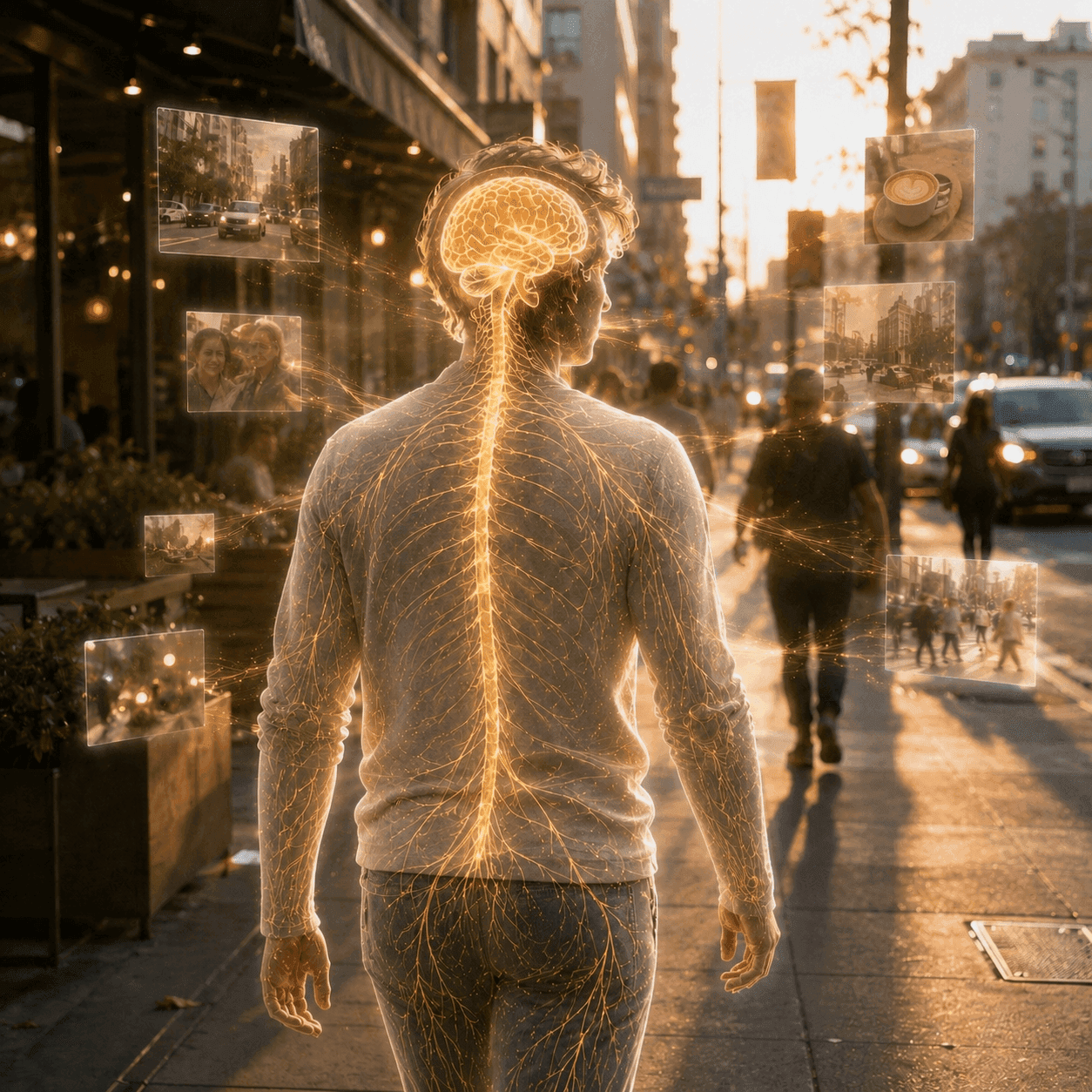
Your body is a vehicle in which you travel through life. Everything that happens to you in life, happens to your body. Your thoughts and emotions also happen to your body. In fact, you body often plays a significant role in the nature of your thoughts and emotions.
I think of it this way. Life happens. Our body is the first one to react. From the sensory input, emotions arise, then the mind makes sense of the event, and eventually codes and stores the event in memory. These memories comprise our learning about ourselves, others and the world. This learning then guides our behaviors, relationships, reactions to stress and life choices. I will talk more about this in the upcoming posts. For now, let’s focus on the body.
It all starts with the body. Any meaningful emotional regulation comes from the physical intervention, not from the mind. No “positive self-talk” will work if your nervous system is activated any higher then 5 out of 10. You need a body-based intervention. When the body is calm, the mind will follow. The state of the body will influence the state of the mind and the way you see yourself, others, life and the future. Have you ever noticed that when you are very tired, your thoughts are dark and hopeless and the future seems bleak? Or, when you did not sleep well and you are irritable and everyone seems like they are out to get you? These thoughts are dictated by the state of your nervous system. Chronically alerted (anxiety) or exhausted (burnout) nervous system produces negative thoughts and beliefs.
I hope I now convinced you that body-based regulation is the most effective way to bring your nervous system back into its optimal state. How exactly do you do that?
By creating a Customized Sensory Menu for Self-Regulation
You need a whole menu of interventions that are uniquely effective for you. I wish there was one book that had a complete catalogue of body-based regulation activities that suited everyone. But it is impossible.
Our sensory profiles are unique. More unique than we like to think. We all perceive sensory input from the world slightly differently. Some are sensitive to sounds, others to movement, others to touch. What is calming for one person, will be the opposite for another.
You can find what works for your particular system. Go through your senses and experiment with different physical things that feel regulating. Here are some examples of simple regulating activities, by senses:
- Vision: looking side to side; focusing your gaze on a far object, then a near one; looking at greenery or any scenery you enjoy (preferably not on your phone)
- Hearing: drumming; loud music; sound blocking headphones;
- Smell: aromatherapy oils; focusing on any pleasant smell;
- Taste: crunch on ice; chew gum
- Touch and Movement: rocking; swings; stretching; fidget toys; prickly objects;
And lastly, one of the fastest, most effective, and most often underestimated tools: Breath. Breath is the only unconscious function that we can control, and it is directly connected to the nervous system. You’ve probably heard about breathing exercises, and maybe even tried some. Many people find it difficult to focus on their breath, or ineffective, or just boring.
True, breath is not a miracle tool. Many repetitions and practices are required to make breath an effective self-regulation tool. But once you’ve mastered it – it becomes the easiest, the fastest, and the most discreet self-regulation tool that is always available.
You don’t have to go into complicated breathing exercises, just try one simple tool. For example, the Physiological Sigh https://youtube.com/shorts/vErS61fumLc?si=7NbWG38ITeYznu53
All my work with clients starts with simple body regulation skills. Body-based regulation is not an option. Truly living in your body and being able to regulate yourself through your senses is the foundation of living a conscious life rather than just letting life happen to you.
Until the next time!
Karyna Capote, MCP,RCC
Copyright 2026 ©
Ready to take the next step?
Have questions after reading?
Every person and every situation is unique. If you'd like to discuss how these ideas apply to your own situation, book a free consultation to explore next steps.