
Therapy Room
Embodiment
Embodiment is a foundational skill for self-awareness, attention, calming and self-regulation.
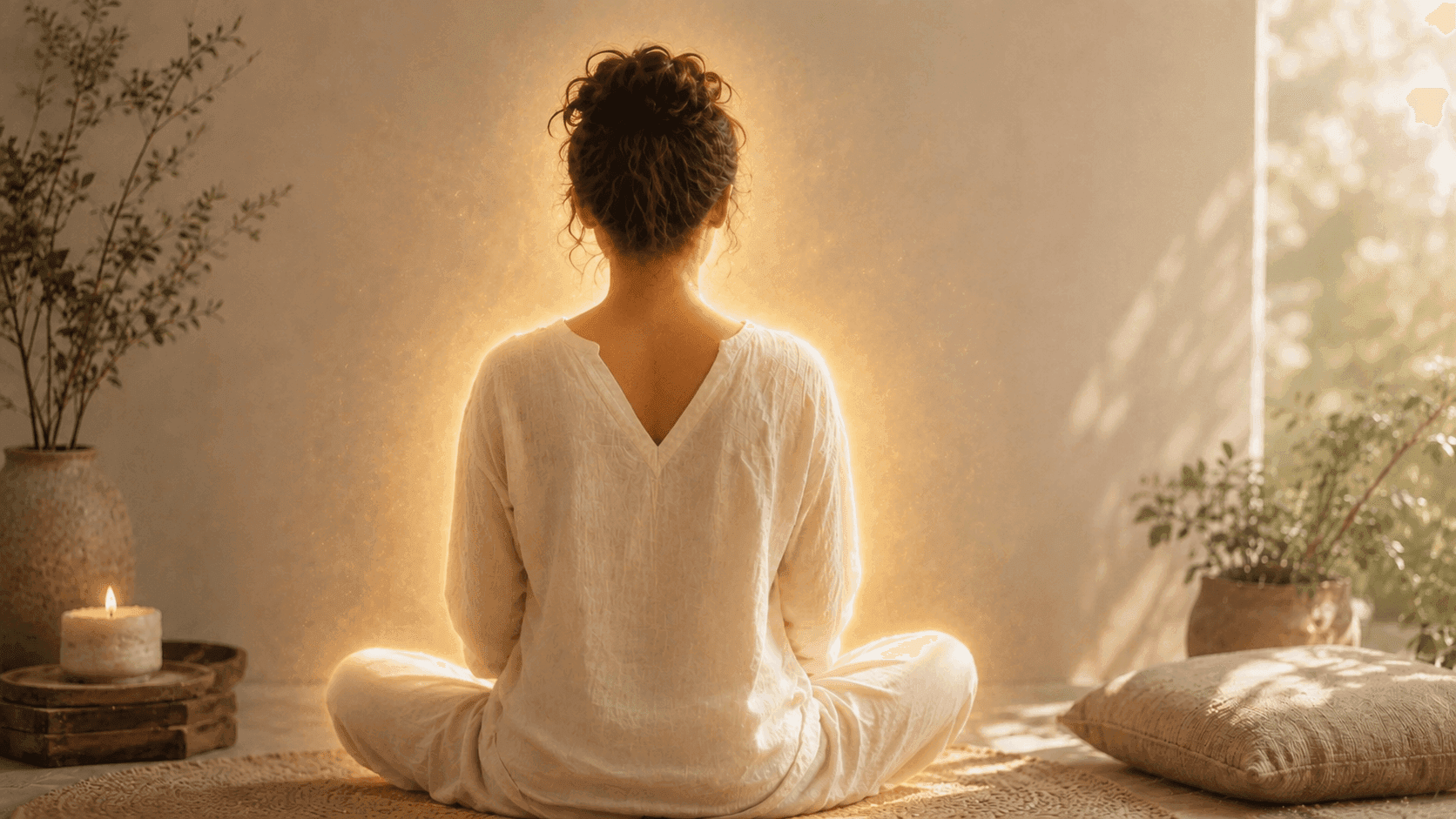
Embodiment is a sense that you are present in your body. Seems pretty straightforward, right? Not really. In our day and age, the sense of embodiment is a rare commodity. It is not a routine practice for many of us, and we often have a difficult time knowing what is going on in our body.
Embodiment is the most important building block of body-based regulation, self-awareness, and even memory formation.
My latest read: A study done by a Canadian professor Peggy St. Jaques, investigates the role of embodiment in the formation of memories (link to the article: https://doi.org/10.1162/IMAG.a.93)
In my work with clients, I use embodiment to help develop self-awareness (which is the base of self-regulation), to focus attention, and to calm the mind. This is the foundational skill for therapies for ADHD, PTSD, anxiety, depression, anger management and just about any therapeutic intervention. How exactly does embodiment help with all these situations? By calming the mind, focusing attention and developing self-awareness, embodiment can help you:
- Train your brain to feel calm on demand
- Focus your attention (helping you manage symptoms of ADHD)
- Develop self-awareness and ability to regulate
- Create positive memories more effectively
- Re-consolidate traumatic memories
What does embodiment look like? How exactly do you practice embodiment? My personal favorite is this exercise.
Sit comfortably. Start taking deep breaths. Now, imagine that your breath goes in through your toes, passes through your entire body and ends at the top of your head. Hold your breath there for a second and then descend with your breath all the way back down to your toes. You can start with your eyes closed, to help you focus on the body. As you practice more, you can start experimenting with having your eyes open and then even looking around. Having your eyes open is more distracting for some, but it can be the other way around. Experiment and find out what works for you.
You don’t need to have your mind “blank”. Your mind may think about stuff, and that is ok. Just gently return it to your body. As you breathe like this, you are scanning your body for sensations and noticing them. You are breathing and feeling present in your body.
You may notice that your overall state shifts to feeling calmer and more peaceful. In my practice, I use a neurofeedback device, Muse (link to get a 15% discount: https://choosemuse.com/care2connect) , and it consistently registers calm brain waves when people practice embodiment. More about Muse in the upcoming posts.
As everything that is good for you and sustainable, this practice only works when you do it consistently. Sometimes it is difficult to do self-guided practices. For that reason, I always ensure to spend time practicing body-based skills with my clients in sessions. Once they’ve done it a few times in session, it becomes easier to practice on their own. The results of practicing these body-based skills are not quick, but they are powerful – if you show up and practice them regularly.
Until the next one!
Karyna Capote, MCP, RCC Copyright 2026 ©
Ready to take the next step?
Have questions after reading?
Every person and every situation is unique. If you'd like to discuss how these ideas apply to your own situation, book a free consultation to explore next steps.